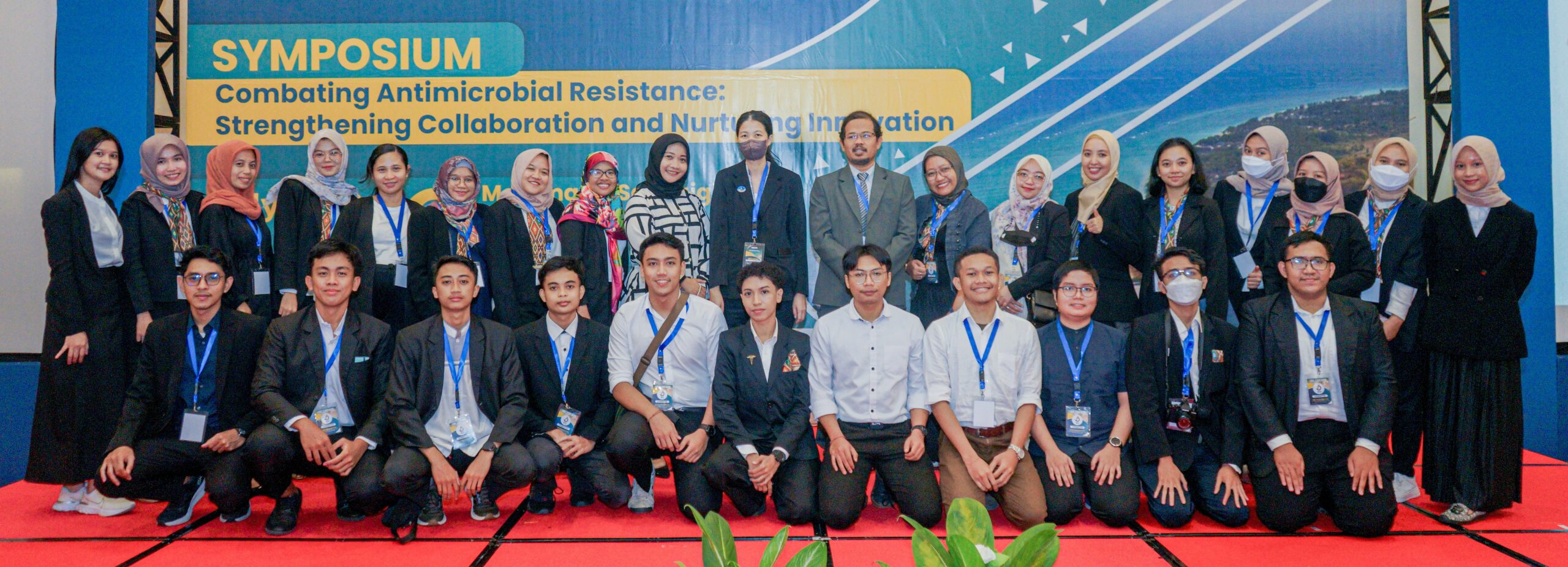
This conference addresses the unique health challenges faced by remote and vulnerable communities. With Indonesia as a key example, the conference brings together global and local actors to promote inclusive, context-driven solutions for climate-related health risks, disease burdens, and health system resilience—bridging global health priorities with on-the-ground realities in tropical and island settings.

Tropical and island regions are at the frontline of some of the world’s most pressing public health challenges. The intersection of climate change, geographic isolation, limited health system capacity, recurring natural disasters, and socio-economic vulnerabilities creates a unique set of risks that disproportionately affect populations in these settings. Rising sea levels, vector-borne disease outbreaks, food and water insecurity, and limited access to healthcare are not hypothetical threats, for they are already undermining community well-being and health system resilience across many island nations and archipelagic regions.
As the largest archipelagic nation in the world, Indonesia embodies many of these challenges, particularly in its eastern provinces where health disparities remain stark. Remote island and coastal populations often experience delayed access to care, fragile referral networks, and under-resourced public health infrastructure. In these settings, public health strategies must move beyond standardized models and instead be grounded in approaches that are context-sensitive, culturally responsive, and driven by community needs and engagement.
At the same time, global health priorities such as pandemic preparedness, universal health coverage (UHC), and climate resilience demand inclusive solutions that reflect the realities of all geographies, including hard-to-reach and resource-limited island settings. Yet, tropical and island contexts are still underrepresented in global discourse, particularly in agenda-setting spaces that influence policy, funding, and innovation.
With the theme “Strengthening Health Resilience in Tropical and Island Regions: Bridging Global Health and Local Contexts,” the 4th International Conference on Global Health and Innovation (GHI 2025) aims to respond to these gaps by creating a platform that connects practitioners, researchers, policymakers, and communities from diverse geographies. The conference seeks to catalyse interdisciplinary collaboration, foster innovation, and amplify local voices, especially those working on the frontlines of health service delivery in challenging environments.
The conference is designed to:
By showcasing practical, locally grounded solutions aligned with international health frameworks, GHI 2025 aims to contribute meaningfully to the development of stronger, more equitable, and resilient health systems in tropical and island contexts, while also elevating the voices of communities most affected by health disparities.

To promote exchange of knowledge, innovations, and lessons learned from global, national, and local initiatives.
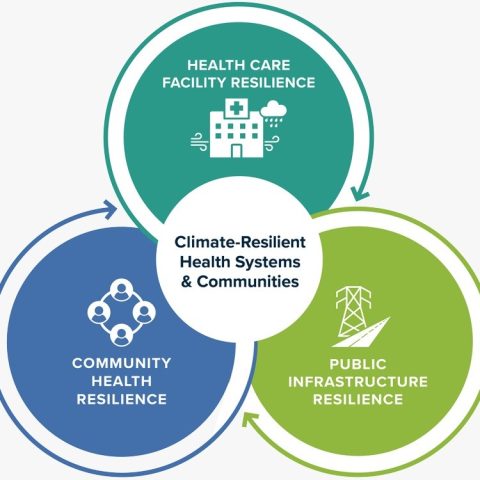
To support the development of contextually appropriate solutions to improve health resilience in island and tropical settings.

To strengthen cross-sector and international partnerships in global health, particularly between academia, government, and civil society.

To increase the visibility and capacity of emerging researchers and early-career professionals in tropical health.
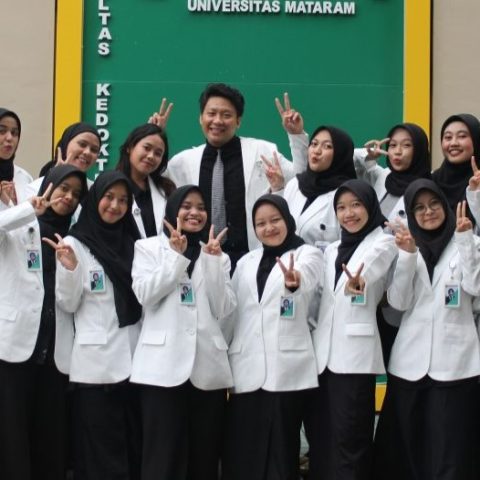
To provide opportunities for international publication for academic staff and students of the Faculty of Medicine and Health Sciences, University of Mataram, through proceedings in the partner journal.